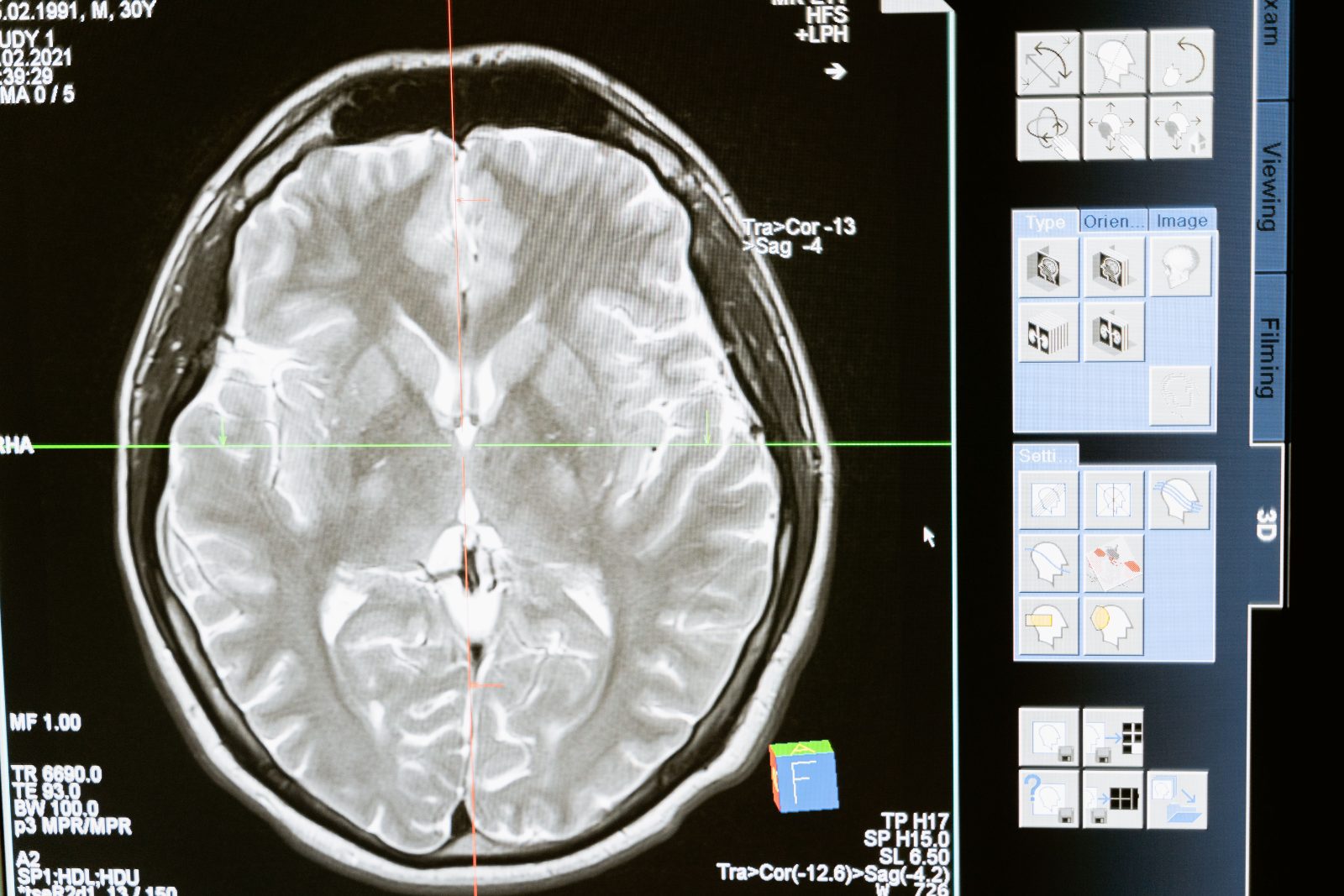
Why it matters: ECT is the most effective treatment for depression that resists medication, yet fear of memory loss keeps many eligible patients away; a therapy that works about as well with less cognitive cost could reach people who currently refuse care.
For people with severe depression who fear the memory loss tied to ECT, the CREST-MST trial offers a gentler option. Magnetic seizure therapy (MST) achieved non-inferior remission compared with right-unilateral ultra-brief ECT, while substantially fewer patients had clinically meaningful worsening of autobiographical memory. It is not yet approved for routine use. The trial, led by CAMH and UC San Diego, was randomized, double-blind, and non-inferiority in design, published in The Lancet Psychiatry (2026;13(5):376–386). Both treatments induce a brief, controlled seizure under anesthesia; MST's magnetic pulses are aimed more narrowly, sparing memory regions. Most important limitation: non-inferiority shows MST is not worse than ECT, not better, and there was no placebo arm. Funding came from the U.S. National Institute of Mental Health, with in-kind equipment from device-maker MagVenture, disclosed. (Information, not medical advice; MST is not approved for general use. If you or someone you know is struggling with depression or suicidal thoughts, support is available, in the U.S., call or text 988.
“"it could transform how we deliver brain stimulation therapies"”Dr. Zafiris Daskalakis · Chair of Psychiatry, UC San Diego · study co-lead