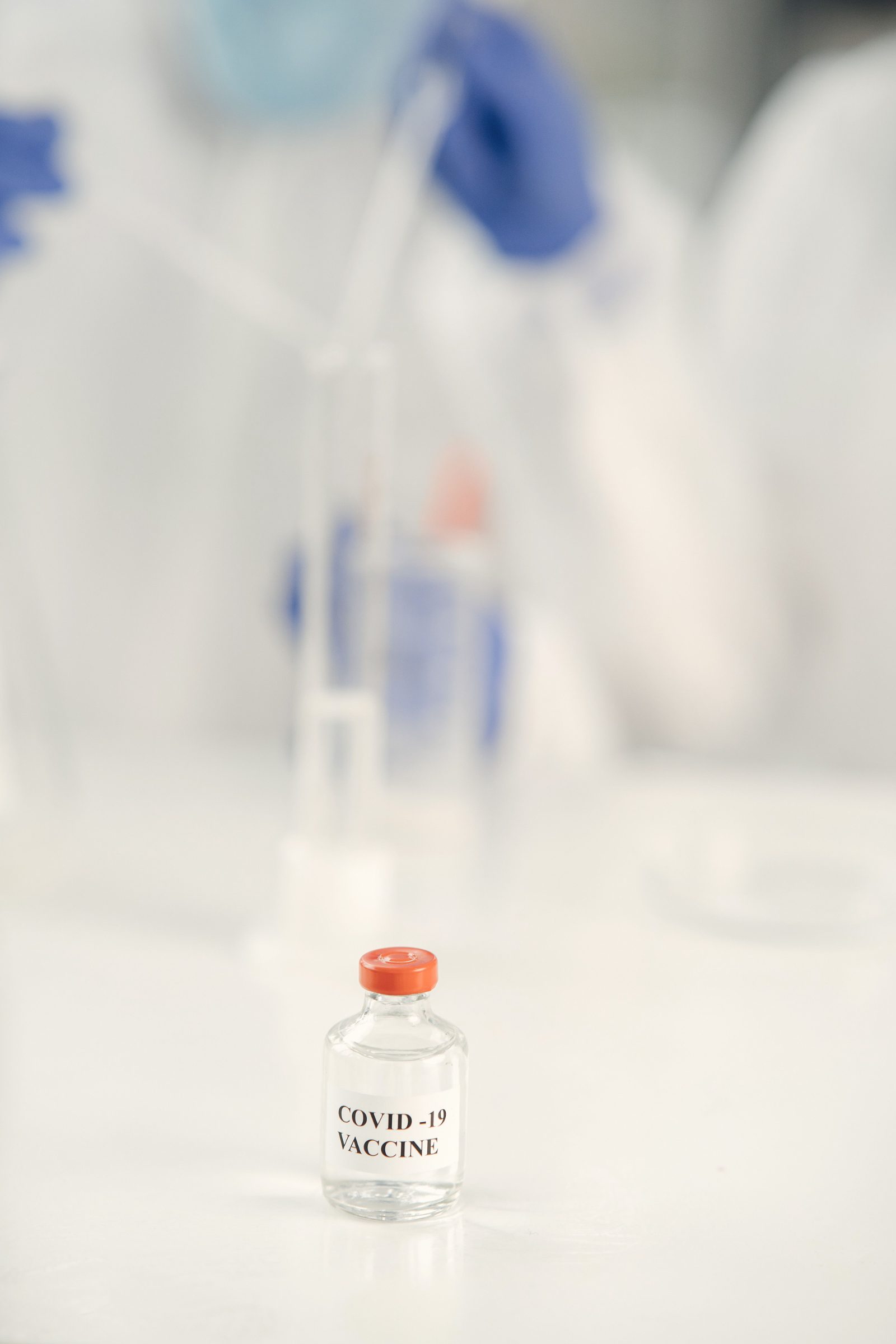
A coronavirus vaccine designed using artificial intelligence has cleared its first human safety trial, a milestone its developers describe as the biggest change in vaccine design since mRNA.
Built by the University of Cambridge and its spinout company DIOSynVax, the experimental vaccine, pEVAC-PS, was tested in 39 healthy volunteers aged 18 to 50 at NIHR clinical research facilities in Southampton and Cambridge. It proved safe and well tolerated, with no significant side effects across four escalating doses.
The design philosophy is what sets it apart. Rather than copying one virus, researchers used a computational platform to engineer a "super-antigen" aimed at conserved features shared across the Sarbeco coronavirus family, the group that includes SARS-CoV-2, SARS, and bat viruses with pandemic potential. In the trial, the vaccine generated immune responses not only to SARS-CoV-2 and SARS but to those related bat viruses.
It was delivered without a needle, using a microfluidic jet device, offering an option for people with needle anxiety and a faster route for mass-vaccination campaigns.
Honest caveat, and the researchers say it plainly: immunogenicity was modest, measured against the substantial pre-existing immunity these already-vaccinated volunteers carried. This was a safety-and-proof-of-concept trial, not evidence of protection. A larger Phase 2 trial is planned to test immune responses in a broader, more diverse group.
The same AI design platform, the team notes, could in principle be turned toward other dangerous virus families, such as Ebola or influenza.
“"If we can develop these vaccines before an outbreak, millions of lives could be saved, lockdowns could be avoided, and the economy preserved."”Saul N. Faust · Professor and Trial Principal Investigator · University Hospital Southampton / University of Southampton